
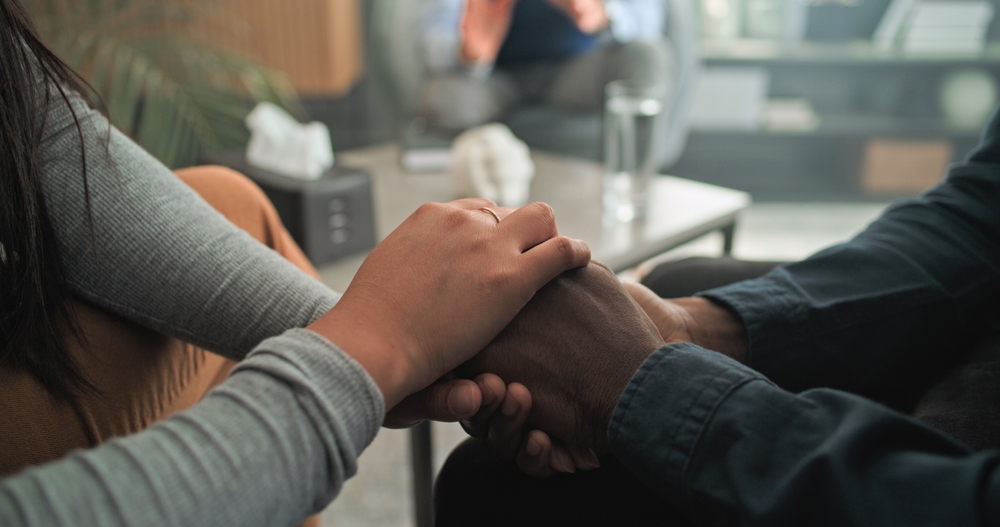
Hair loss can affect far more than appearance. For many people, it impacts confidence, self-esteem and emotional well-being. Whether you are experiencing thinning hair, a receding hairline, alopecia or general hair loss, opening up about it with family and friends can feel difficult. However, having honest conversations with the people closest to you can make a significant difference to your confidence, mental health and overall outlook.
At Image Design Studio, we understand how personal hair loss can be. As the home of advanced non-surgical hair replacement systems and laser hair restoration treatments, we have spent more than three decades helping men and women regain confidence with bespoke, natural-looking solutions. From revolutionary lace front systems to cutting-edge laser therapy treatments with a 90% success rate for hair regrowth, our team are dedicated to providing discreet, pain-free and tailored services that truly change lives.
This blog will explore the causes and signs of hair loss, explain how to discuss hair loss with loved ones and highlight the emotional benefits of opening up about your experience. If you are currently struggling with hair loss, remember that support is available and you never have to face it alone. Contact us today for more information about our services and see how we can help!
What causes hair loss?
Hair loss can occur for many different reasons and may affect both men and women at any age. Understanding the cause of hair loss is often the first step towards finding the right treatment and restoring confidence.
Genetics
One of the most common causes of hair loss is hereditary hair thinning, often referred to as male or female pattern baldness. Genetics can determine how sensitive your hair follicles are to hormones such as DHT (dihydrotestosterone), which can gradually shrink follicles and slow hair growth over time.
Hormonal Changes
Hormonal imbalances can significantly affect hair growth. Pregnancy, menopause, thyroid conditions and hormonal fluctuations can all contribute to hair thinning in women. Men may also experience hormone-related hair loss as testosterone converts into DHT.
Stress and Emotional Well-being
High levels of stress can trigger temporary hair loss conditions such as telogen effluvium. Emotional trauma, anxiety or long-term stress can push hair follicles into a resting phase, resulting in noticeable shedding.
Medical Conditions
Certain medical conditions, including alopecia, scalp infections, autoimmune disorders and nutritional deficiencies, may lead to hair loss. Some medications and medical treatments can also contribute to thinning hair.
Lifestyle and Diet
Poor nutrition, smoking, lack of sleep and excessive styling or chemical treatments may weaken the hair and scalp. Maintaining a healthy lifestyle can support stronger and healthier hair growth.
Ageing
As we age, hair naturally becomes thinner and grows more slowly. While this is a normal part of ageing, many individuals seek treatments and hair replacement solutions to restore a fuller appearance and renewed confidence.
At Image Design Studio, our specialists provide FREE consultations to determine the best solution for your hair loss concerns. Whether you are interested in bespoke hair replacement systems or laser hair treatment, our team can tailor a solution to your individual needs.
Signs of Hair Loss in Women & Men
Hair loss can develop gradually or occur suddenly, depending on the underlying cause. Recognising the early signs can help individuals seek advice and treatment sooner.
Common Signs in Men
Receding Hairline
Many men first notice hair loss around the temples, resulting in an M-shaped hairline.
Thinning at the Crown
Hair may begin thinning at the top or crown of the scalp, eventually leading to larger bald areas.
Excessive Shedding
Finding more hair on pillows, in the shower or while styling can indicate early hair loss.
Patchy Bald Spots
Some men experience circular or uneven bald patches caused by conditions such as alopecia areata.
Common Signs in Women
Widening Parting
Women often notice their hair part becoming wider as overall hair density decreases.
General Thinning
Hair may appear thinner across the entire scalp rather than in isolated areas.
Reduced Hair Volume
Ponytails may feel smaller, and hairstyles may lose fullness.
Increased Hair Breakage
Weak or brittle hair can result in noticeable thinning and uneven growth.
How to Talk About Hair Loss with Family and Friends
Discussing hair loss with loved ones can feel uncomfortable at first. Many people worry about judgement, unwanted advice or emotional reactions. However, talking openly about your experience can reduce stress and help you feel supported. The following approaches can make these conversations easier and more productive.
Be Honest About Your Feelings
Hair loss often affects confidence and self-image. Instead of pretending everything is fine, try to explain how the experience is genuinely making you feel. Being honest can help others understand why the situation matters to you emotionally.
You do not need to share every detail immediately. Even saying something simple, such as, “I’ve been struggling with my hair loss recently, and it’s affecting my confidence,” can open the door to supportive conversations.
Choose the Right Time
Timing can make a big difference. Try to speak with family or friends when you are relaxed and unlikely to be interrupted. A calm environment can make the discussion feel less intimidating and more meaningful.
Avoid raising the topic during stressful situations or busy social gatherings. Private conversations often allow people to respond more thoughtfully and compassionately.
Explain What Hair Loss Means to You
Not everyone understands the emotional impact of hair loss. Some people may see it as purely cosmetic, while for you, it may feel deeply personal.
Explaining how hair loss affects your confidence, social life, or mental well-being can help loved ones appreciate the seriousness of your experience. This can encourage empathy and reduce dismissive comments.
Set Boundaries if Needed
While many people will respond positively, others may unintentionally say things that feel insensitive. It is perfectly acceptable to set boundaries around what you are comfortable discussing.
For example, you may not want constant suggestions about miracle treatments or jokes about hair loss. Politely explaining your boundaries can help maintain healthy and supportive conversations.
Share Information About Treatments
If you are considering treatment options, sharing information can help family and friends better understand your decisions. You may wish to explain how non-surgical hair replacement systems or laser hair therapy work and why you feel they are right for you.
At Image Design Studio, many clients find comfort in discussing their bespoke treatment plans with loved ones. Our pain-free, natural-looking solutions help individuals regain confidence while maintaining complete discretion.
Remember That Support Can Take Different Forms
Some people may offer emotional encouragement, while others may help through practical support or simply listening. Try not to expect everyone to react in the same way.
Even if someone struggles to fully understand your experience, their willingness to listen and support you can still be valuable.
Talk to Someone You Trust First
If opening up feels overwhelming, begin with one trusted person. Speaking to someone who makes you feel comfortable can build confidence and make future conversations easier.
Once you realise that many people respond with kindness and understanding, discussing hair loss often becomes less daunting.
Focus on Self-Confidence
Conversations about hair loss should not revolve solely around appearance. Hair loss does not define your worth, personality or attractiveness.
Talking positively about your goals, treatments and self-confidence journey can shift the conversation towards empowerment rather than insecurity.
Be Open to Emotional Reactions
Family members and close friends may feel emotional when they realise how deeply hair loss has affected you. Some may feel upset that you have been struggling silently.
Allowing honest emotions can strengthen relationships and create stronger emotional support systems moving forward.
Seek Professional Guidance if Necessary
Sometimes discussing hair loss can uncover deeper emotional challenges, such as anxiety or low self-esteem. In these cases, professional support from specialists or counsellors may help.
At Image Design Studio, our discreet consultations provide not only advanced hair restoration solutions but also compassionate guidance throughout your journey.
Opening up about hair loss takes courage, but it can also bring relief, understanding and reassurance. Family and friends cannot always remove the challenges you face, but they can offer emotional support that makes the journey easier. Honest conversations often lead to greater confidence, stronger relationships and a more positive outlook for the future.
Finding Strength Through Shared Conversations About Hair Loss
Reduces Feelings of Isolation
Many people experiencing hair loss believe they are alone in their struggles. Sharing your feelings can help break that sense of isolation and remind you that support is available.
You may even discover that others have experienced similar concerns themselves or know someone who has.
Improves Emotional Wellbeing
Bottling up emotions can increase stress and anxiety. Talking openly allows you to release worries and feel emotionally lighter.
Supportive conversations can provide reassurance during difficult moments and improve overall mental well-being.
Encourages Positive Self-Image
Loved ones often remind us of qualities beyond physical appearance. Discussing hair loss with supportive people can help reinforce self-worth and confidence.
Family and friends may help you recognise that confidence, personality and happiness matter far more than hair alone.
Creates Stronger Relationships
Honest conversations often strengthen relationships. Sharing vulnerable experiences can create deeper trust and understanding between individuals.
When people understand what you are going through, they are often more compassionate and supportive.
Helps You Explore Solutions
Talking about hair loss may encourage you to seek practical solutions and professional advice. Loved ones can support you through consultations, treatments or confidence-building decisions.
At Image Design Studio, we provide bespoke hair replacement systems and advanced laser treatments designed to restore confidence naturally and discreetly.
Encourages Early Action
Many individuals delay seeking help because they feel embarrassed or unsure where to begin. Discussing hair loss can motivate you to take positive steps sooner.
Early intervention can often improve treatment outcomes and help preserve existing hair.
Builds Confidence in Social Situations
When you no longer feel pressured to hide your hair loss, social situations often become less stressful. Openness can reduce anxiety and help you feel more comfortable around others.
Confidence grows when you stop carrying emotional burdens alone.
Promotes Mental Resilience
Facing hair loss openly can help build resilience and emotional strength. Rather than avoiding the topic, discussing it constructively encourages healthier coping strategies.
This positive mindset can improve many other areas of life as well.
Helps Remove Stigma
The more openly people discuss hair loss, the less stigma surrounds it. Hair loss affects millions of men and women, yet many still feel embarrassed discussing it.
Open conversations help normalise the experience and encourage others to seek support too.
Inspires Others to Seek Help
Your willingness to discuss hair loss may encourage someone else to reach out for support or treatment. Many people silently struggle with confidence issues related to hair thinning or baldness.
By speaking openly, you may help others feel less alone.
Embracing Confidence and Taking the Next Step
Hair loss can be an emotional and deeply personal experience, but you do not have to face it alone. Understanding the causes and signs of hair loss is important, but so too is recognising the value of emotional support and open conversations.
At Image Design Studio, we are passionate about helping men and women restore their confidence through advanced, non-surgical hair replacement systems and laser hair restoration treatments. Our bespoke solutions are discreet, pain-free and tailored entirely to your needs. Whether you are looking for a natural-looking hair system or effective laser treatment for hair regrowth, our experienced team are here to support you every step of the way.
With FREE consultations, personalised treatment plans and decades of expertise, we are proud to help our clients rediscover confidence and embrace a new chapter in life.
FAQs
Is it normal to feel emotional about hair loss?
Yes, absolutely. Hair loss can impact confidence, identity and emotional well-being for both men and women.
What is the best way to start a conversation about hair loss?
Start with someone you trust and speak honestly about how you are feeling. You do not need to explain everything at once.
Can stress really cause hair loss?
Yes. High levels of stress can contribute to temporary hair shedding and thinning.
Are hair replacement systems noticeable?
Modern hair replacement systems are designed to look incredibly natural. At Image Design Studio, our bespoke systems are lightweight, discreet and tailored to each client.
Is laser hair treatment painful?
No. Laser hair treatment is non-invasive and generally painless, with most clients experiencing only mild warmth or tingling.
Will talking about hair loss help my confidence?
Many people find that opening up reduces emotional stress and helps them feel more supported and understood.
Restore Your Confidence with Image Design Studio
Book your FREE consultation today and discover how Image Design Studio can help you restore your hair, confidence and quality of life.
